Danger Toxic Hazard Warning Sign Embroidery Review
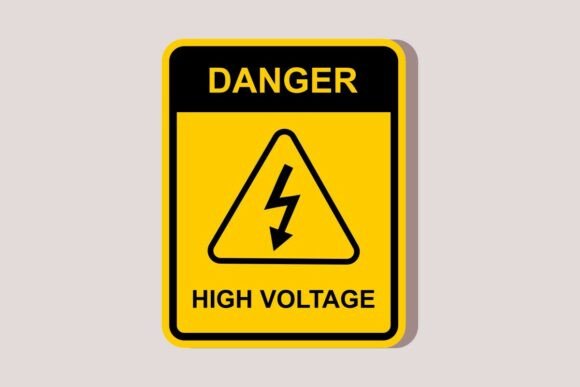
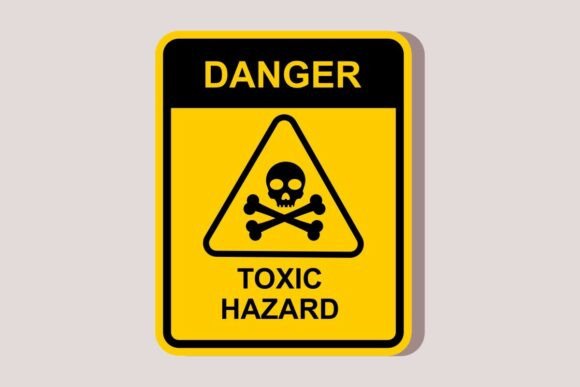
When I first pulled the Danger Toxic Hazard Warning Sign into my digitizing software, I immediately recognized the visual weight it carries. As a designer who spends hours evaluating vector illustrations for their stitch-ability, this particular graphic stood out not just for its bold aesthetic, but for its potential to create high-impact handmade products. The design features a classic skull and crossbones symbol, framed within a hazard warning layout that screams caution yet remains stylish enough for modern streetwear or boutique decor. My goal here is to look past the digital preview and evaluate how this Illustrations category asset will actually perform when translated into thread on fabric.
First Impressions: Mood and Visual Personality
The primary strength of the Danger Toxic Hazard Warning Sign lies in its immediate recognizability. In the world of embroidery, where fine details can get lost in texture, this design relies on strong shapes and high-contrast symbols. The skull and crossbones motif is timeless, evoking a sense of edgy playfulness that resonates well with current trends in youth fashion and alternative home goods. It feels less like a literal safety instruction and more like a statement piece—a badge of attitude.
From a design perspective, the layout is clean. There is no cluttered background noise that would compete with the central icon. This simplicity is crucial for machine embroidery because it allows the stitch density to define the form rather than relying on tiny, intricate lines that might blur during the stitching process. The visual personality is confident and direct, making it an excellent choice for brands looking to project a bold, unapologetic image. Whether used for a custom apparel line or a quirky kitchen accessory, the design commands attention without shouting.
Real-World Application: From Screen to Stitch
I recently tested this concept on a heavy-weight cotton canvas tote bag, imagining it as part of a collection for an Etsy seller focusing on goth-inspired accessories. The initial thought was whether the skull and crossbones would read clearly from a distance. After running a test sample, I found that the bold outlines held up exceptionally well. The negative space around the skull allowed the fabric texture to show through, adding depth to the final product.
This design is incredibly versatile across various handmade product categories. Here is how I see it performing in specific scenarios:
- Sweatshirt Embroidery: Placed over the heart or centered on the back of a cropped hoodie, the Danger Toxic Hazard Warning Sign creates a striking focal point. The contrast between soft fleece and crisp, dense stitches adds a tactile luxury that customers love.
- Embroidered Patch: Because the design is self-contained, it translates perfectly into a detachable patch. This is ideal for craft business owners who want to offer customizable jackets or denim vests. The rigid structure of a patch helps maintain the integrity of the warning sign shape.
- Baby Embroidery: Surprisingly, this works well for nursery decor or baby onesies if the color palette is softened. A pastel pink or mint green thread version of this machine embroidery design subverts the "danger" theme into something cute and ironic, which is a popular trend in modern parenting gifts.
- Kitchen Towels and Aprons: For the culinary enthusiast with a dark sense of humor, this Graphics element adds personality to utility wear. It suggests that while the cooking might be spicy or dangerous, the maker takes pride in their craft.
Technical Considerations and Fabric Choices
While the design is visually robust, there are specific areas where a designer must exercise caution. The Danger Toxic Hazard Warning Sign contains small geometric elements, particularly in the text or border details if included in your specific file. These areas require careful evaluation of stitch density. If the density is too high, the fabric may pucker; if it is too low, the details may disappear.
Fabric selection plays a massive role in the success of this project. I strongly advise against using this design on thin, stretchy knits without proper stabilization. The tension required to keep the satin stitch edges smooth can distort delicate fabrics. Instead, opt for stable materials like denim, canvas, felt, or heavyweight cotton blends. These fabrics provide the necessary support for the fill stitch areas, ensuring the skull retains its sharp contours.
Another critical factor is thread color contrast. On dark fabrics, you will need a high-coverage underlay or a lighter base thread to prevent the design from looking muddy. Conversely, on light fabrics, ensure that any black or dark grey threads used for the outline have sufficient coverage to stand out against the background. Testing in black and white mockups before cutting fabric can help you visualize this contrast effectively.
Where to Use With Caution
Not every surface is suitable for this level of graphic intensity. Avoid placing this design on curved surfaces like baseball caps unless you have a specialized cap frame and significant experience with curvature compensation. The flat, bold nature of the warning sign may warp when forced onto a dome shape. Additionally, be wary of using this on items that undergo frequent, harsh washing, such as work uniforms, unless you use high-quality, colorfast threads. The embroidery project should match the durability requirements of the end user.
Practical Designer Notes for Success
Before committing to a large production run or selling finished items, follow these practical steps to ensure quality:
- Test on Scrap Fabric: Always run a test stitch-out on the exact fabric you plan to use. This reveals issues with puckering, thread breakage, or hoop burn that digital previews cannot show.
- Check Hoop Size: Ensure your hoop size accommodates the full design dimensions with adequate margin for trimming and finishing. A cramped hoop can lead to misalignment.
- Inspect Small Details: Zoom in on the digitized file. Are the tiny crosses in the crossbones distinct? If they are too close together, they may merge into a blob. You may need to adjust the running stitch length or simplify the detail for better clarity.
- Stabilizer Selection: Use a cut-away stabilizer for stretchy fabrics and a tear-away for wovens, depending on the fabric's behavior. The wrong stabilizer choice is the most common cause of failure in commercial embroidery.
- Licensing Verification: Since this is a vector illustration converted for embroidery, confirm the licensing terms. Even if you own the digital embroidery file, verify that you have the right to sell physical products made from it, especially if you are an Etsy seller or running a small shop product line.
Final Verdict on Design Value
The Danger Toxic Hazard Warning Sign is more than just a clip-art style graphic; it is a functional design asset that brings attitude and professionalism to any embroidery project. Its clear hierarchy and bold symbolism make it an excellent tool for brand consistency in niche markets. For the creative entrepreneur, it offers a quick way to add a premium, custom feel to generic merchandise.
Customer trust is built on quality execution. By paying attention to thread colors, fabric texture, and proper stabilization, you can transform this simple vector idea into a high-value finished product. Whether you are creating a personalized gift for a friend or a batch of holiday embroidery gifts for your store, this design provides a reliable foundation for success. It is a testament to the power of good design assets when handled with technical skill and artistic judgment.
In summary, if you are looking to add a touch of edgy sophistication to your portfolio, this design delivers. It bridges the gap between industrial safety aesthetics and fashionable apparel decorator trends, making it a smart investment of time and resources for serious makers.