Danger High Voltage Warning Hazard Sign Embroidery Review
As a designer who spends half my day staring at stitch maps and the other half worrying about how thread tension interacts with different fabric weights, I don’t just look at an image file. I look at potential problems before they happen in the hoop. When I first pulled up Danger High Voltage Warning Hazard Sign, my initial reaction wasn’t just aesthetic appreciation; it was a quick mental calculation of stitch density, color contrast, and marketability. This isn’t just another clip-art graphic slapped onto a vector canvas; it’s a bold, high-impact design that demands attention. But does it translate well from screen to needle? That is the real question for any embroidery designer, Etsy seller, or craft business owner looking to add this to their repertoire.
First Impressions: Boldness Meets Clarity
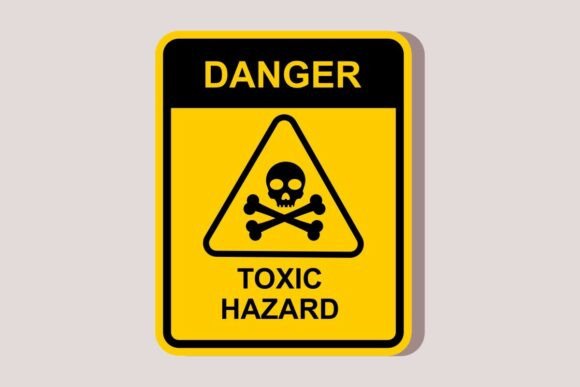
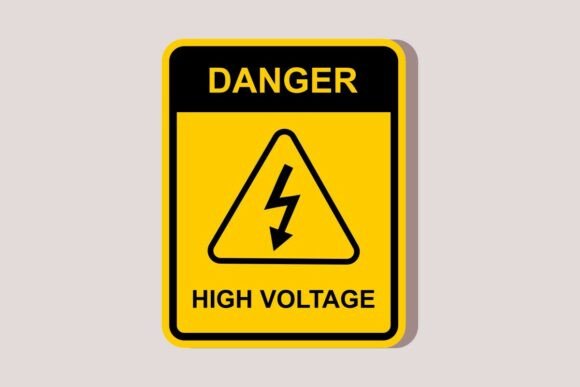
The moment you see Danger High Voltage Warning Hazard Sign, the mood is set. It is aggressive, clear, and unmistakable. The core of the illustration features a high voltage lightning bolt symbol enclosed within a hazard sign shape. From a design perspective, this is a classic combination that works because it relies on universal visual language. We are wired to recognize the triangle and the lightning bolt as warnings. For an embroidery project, this simplicity is a double-edged sword. It means the design is highly recognizable, but it also means every stitch counts. There is no room for ambiguity when the subject matter is "danger."
The vector nature of the original Illustrations and Graphics asset suggests clean lines and sharp angles. In the world of machine embroidery, sharp angles can be tricky. They often require precise corner stops and careful thread trimming to avoid bulkiness. However, if executed correctly, the geometric precision of the hazard sign provides a structured frame that looks incredibly professional on finished products. It feels industrial, modern, and edgy—a vibe that is currently very popular in streetwear-inspired custom apparel and boutique branding.
Real-World Application: Where Does This Design Shine?
Let’s talk about actual use cases. I recently imagined placing this design on a heavy-duty canvas tote bag for a local electrician or a DIY enthusiast workshop. The contrast of bright yellow or orange thread against a dark navy or black canvas would make the Danger High Voltage Warning Hazard Sign pop off the surface. It transforms a simple utility item into a statement piece. This is exactly the kind of handmade product that sells well at craft fairs or in online shops targeting tradespeople, makers, and hobbyists who appreciate industrial aesthetics.
Beyond totes, this design has serious potential in the realm of sweatshirt embroidery. Picture a charcoal grey crewneck with the hazard sign centered on the chest or placed asymmetrically on the back. The bold warning theme fits perfectly with the "rebellious" or "technical" fashion trends. It also works surprisingly well for embroidered patches. If you plan to sell these as iron-on or sew-on accessories, the self-contained shape of the hazard sign makes it easy to digitize with a clean border, ensuring it holds its shape even after repeated washing.
I also see strong potential in personalized gifts for the tech-savvy crowd. A custom embroidered pillow cover for a home office, or even a kitchen towel for a chef who appreciates dark humor, could feature this design. The key here is context. On a kitchen towel, it might serve as a playful nod to the dangers of cooking with electricity, adding a layer of wit to the personalized gift. For a baby item, however, the tone shifts entirely. While some parents love ironic or edgy themes for their toddlers, you must consider the audience carefully. A baby embroidery project using this design needs to be softened, perhaps through pastel thread colors or a smaller scale, to ensure it reads as cute rather than alarming.
Technical Considerations for the Embroidery Designer
Before you send this file to your multi-head machine, there are several technical hurdles you need to address. First, let’s discuss stitch density. The lightning bolt inside the hazard sign likely requires a solid fill stitch to maintain visibility. If the density is too low, the fabric will show through, ruining the crispness of the warning symbol. Conversely, if it is too dense, you risk puckering, especially on lighter fabrics. You must test the design on scrap fabric first to find that sweet spot where the coverage is complete but the fabric remains flat.
Color choice is equally critical. The natural pairing for a high voltage warning is yellow and black, or sometimes red and white. However, relying solely on standard thread colors can make the design look generic. Experimenting with metallic threads for the lightning bolt or using a contrasting bobbin thread can elevate the finished product. Just remember to check thread color contrast thoroughly. Low-contrast combinations, like light grey on white, will result in a muddy, invisible design that customers will inevitably return.
Hoop size is another factor. Because the hazard sign is a contained shape, it works well in medium-sized hoops (4x4 or 5x7 inches). However, if you attempt to embroider this on a curved surface like a cap or hat, you need to be cautious. Curved surfaces distort geometry. The lightning bolt might appear slanted or stretched if not properly stabilized. Using a proper stabilizer—likely a cut-away for stability—is non-negotiable for this type of structural design. Without it, the tension changes as you move across the curve, leading to skipped stitches or broken threads.
Where to Exercise Caution
There are specific scenarios where Danger High Voltage Warning Hazard Sign might struggle. Avoid using this design in small hoop sizes unless you are simplifying the details. Tiny lettering or intricate inner details of the lightning bolt may become illegible blobs of thread when reduced in scale. Similarly, textured fabrics like terry cloth or thick fleece can hide the definition of the satin stitches used for borders. The design performs best on smooth, stable fabrics like cotton twill, denim, or polyester blends.
Also, consider the end-user experience. Products featuring this design are often associated with durability and strength. If you place it on a thin, stretchy fabric that loses its shape after one wash, the premium feel of the design is undermined. Ensure your substrate matches the robustness of the graphic. For commercial embroidery projects, always confirm licensing terms. Even though this is a digital asset, selling finished goods based on it requires permission. Make sure you have the rights to produce and sell items derived from this digital embroidery file.
Final Verdict: A Strong Asset for the Right Project
In conclusion, Danger High Voltage Warning Hazard Sign is more than just a decorative element; it is a functional graphic that communicates power and caution. For designers looking to expand their catalog of design assets, this piece offers versatility. It bridges the gap between industrial utility and trendy streetwear. Whether you are creating custom apparel for clients, stocking your own Etsy listing with unique small shop products, or designing printable mockups for digital buyers, this design has merit.
The success of this project hinges on execution. Pay attention to the running stitch details, ensure your applique design techniques (if applicable) are sharp, and always present your work professionally. When done right, the final result is not just an embroidered patch or shirt; it is a confident statement that resonates with anyone who values bold, unapologetic design. Test it, tweak it, and watch how it elevates your craft business with a touch of high-voltage energy.