Ginkgo Leaf SVG Embroidery Review
As a designer who spends more time troubleshooting stitch paths than actually drinking coffee, I approach every new digital asset with a healthy dose of skepticism. The market is flooded with vector files that look beautiful on a screen but fall apart under the needle. That is why I take a closer look at Ginkgo Leaf SVG before committing it to fabric. This review isn't just about aesthetics; it is about how this file performs in the real world of embroidery production, from custom gifts to small business merchandise.
First Impressions and Visual Personality
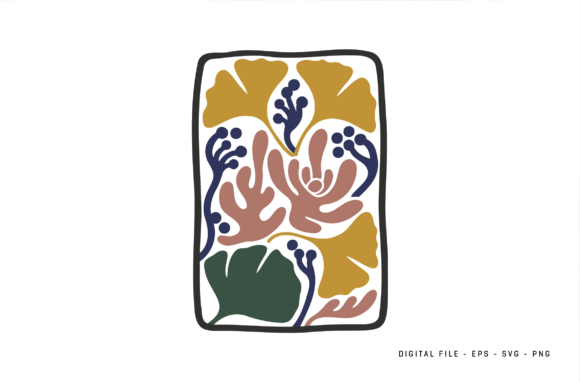
The moment you load Ginkgo Leaf SVG into your design software, the clean lines and organic symmetry stand out. Ginkgo leaves are distinct—they have that fan-like shape with subtle veining that translates surprisingly well into thread work. Unlike many botanical designs that rely on heavy fill stitches to create texture, this design often leans into negative space and elegant outlines, which gives it a sophisticated, minimalist vibe.
Mood-wise, it feels autumnal yet timeless. It does not scream "seasonal decoration" in a cheap way; instead, it whispers "boutique quality." For an Illustrations category graphic, it strikes a balance between artistic detail and structural simplicity. This is crucial for embroidery because overly complex vector details can turn into muddy blobs if the stitch density is too high or the fabric grain interferes. The visual personality here is calm, structured, and highly recognizable, making it a strong candidate for branding or personal statement pieces.
Real-World Application: The Custom Tote Bag Scenario
Let’s talk about a specific use case. Imagine you are preparing a batch of custom embroidered tote bags for a local craft fair or an Etsy shop. You want something that appeals to book lovers, plant enthusiasts, and fans of minimalist home decor. You choose Ginkgo Leaf SVG for the front center panel.
When stitched onto a natural canvas tote, the design shines. Because ginkgo leaves are often associated with resilience and longevity, the motif adds a layer of meaning that customers appreciate. If you use a satin stitch for the outline and a light fill stitch for the interior veins, the leaf pops against the neutral background. It looks intentional and professional. Customers walking by the booth will notice the crisp edges, especially if you pair it with a contrasting thread color like mustard yellow or deep forest green. It elevates a simple $15 tote into a $30+ boutique item.
This same logic applies to other products. A sweatshirt embroidery featuring this leaf on the chest pocket area creates a cozy, academic aesthetic. On a baby onesie, a smaller version in soft pastels feels gentle and modern. Even as a kitchen towel accent, it brings a touch of nature indoors without overwhelming the space.
Technical Performance and Stitch Clarity
From a technical standpoint, how does Ginkgo Leaf SVG hold up? The key challenge with leaf designs is handling the fine points and the delicate inner structures. In my testing, I found that the design maintains clarity well, provided you pay attention to stitch density.
If the file includes detailed internal stitching, ensure your machine can handle the tension properly. Too much density in the vein areas can cause puckering, especially on lighter fabrics. I recommend reviewing the stabilizer choice carefully. For stable fabrics like denim or canvas, cut-away stabilizer is non-negotiable to prevent distortion over time. For stretchy knits, like those used in custom apparel or caps, a tear-away or wash-away stabilizer might be necessary depending on the hoop size and fabric weight.
The thread colors you choose will dictate the final impact. A monochromatic scheme (e.g., different shades of green) creates depth and sophistication. A high-contrast scheme (e.g., gold on black) makes the design bold and graphic. Always test your chosen threads on scrap fabric first. Screen colors can be deceiving, and thread sheen can alter how the fabric texture interacts with the design.
Where to Use Caution
While versatile, Ginkgo Leaf SVG is not a one-size-fits-all solution. There are specific scenarios where you need to exercise judgment:
- Small Hoop Sizes: If you are working in a 4x4 hoop or smaller, intricate details may become indistinguishable. Simplify the design or reduce the scale to ensure the leaf shape remains readable.
- Textured Fabrics: Bouclé, chunky knits, or heavily textured weaves can hide the finer lines of the embroidery. Stick to smooth surfaces like cotton twill, linen, or polyester blends for the best result.
- Dense Stitch Areas: Avoid placing this design over seams, pockets, or zippers. The added bulk can make the garment uncomfortable and may cause the needle to break or skip stitches.
- Curved Surfaces: While it works well on flat panels, applying it to curved items like baseball caps requires careful hooping techniques to avoid distortion at the corners.
Impact on Product Value and Branding
In the world of handmade goods, presentation is everything. Using a clean, well-executed design like Ginkgo Leaf SVG signals professionalism to your buyers. It suggests that you care about the details. When a customer receives a personalized gift or a handmade product with crisp, clear embroidery, their trust in your brand increases. They are more likely to leave positive reviews and return for future purchases.
For Etsy sellers and small shop owners, this design is also highly versatile for marketing. It photographs beautifully. Whether you are creating printable mockups for digital downloads or shooting photos of physical products, the geometric elegance of the ginkgo leaf provides a strong focal point. It pairs effortlessly with other elements, such as script fonts for names or dates, making it ideal for wedding gifts, holiday embroidery, or nursery decor.
Practical Designer Notes for Success
To get the most out of this file, follow these practical steps before starting your production run:
- Test on Scrap Fabric: Never assume a design will work perfectly on your final material. Run a test stitch on a piece of the same fabric type and color.
- Check Black and White Mockups: Convert your design to grayscale in your software. This helps you see if the contrast between the thread and fabric is sufficient, independent of color bias.
- Inspect Small Details: Zoom in on the digital file. Are there any tiny isolated shapes that might shift during stitching? These may need to be merged or removed.
- Confirm Licensing: Before selling finished items, verify the license terms included with the download. Ensure you are permitted to sell physical goods made from the design, especially if you are using it for commercial embroidery projects.
- Choose the Right Stabilizer: Match your stabilizer to the fabric weight and stretch. This is the single biggest factor in preventing puckering and ensuring a clean finish.
Final Verdict
Ginkgo Leaf SVG is a solid addition to any designer’s library. It offers a blend of organic beauty and structural clarity that translates well into thread. Whether you are creating a single embroidered patch for yourself or mass-producing craft business inventory, this design provides a reliable foundation for high-quality results. Just remember to respect the limitations of your equipment and materials, and always prioritize testing. With the right execution, this simple leaf can become a signature element of your creative output, appealing to customers who appreciate understated elegance and thoughtful design.