Minimal Leaf Circle Wall Art Design: A Designer’s Review
When I sit down to evaluate a new digital asset for my studio, I am rarely looking for just another pretty picture. As an embroidery designer and reviewer, I need to know if a design will hold up under the needle, translate well across different fabric textures, and ultimately add value to a finished product that a customer is willing to pay for. Today, I am putting Minimal Leaf Circle Wall Art Design through its paces. This piece falls squarely into the Decorative Elements category as a Graphics file, presented in a clean black silhouette style. It promises simplicity, but in our line of work, simplicity is often the hardest thing to execute correctly.
The First Impression: Mood and Visual Personality
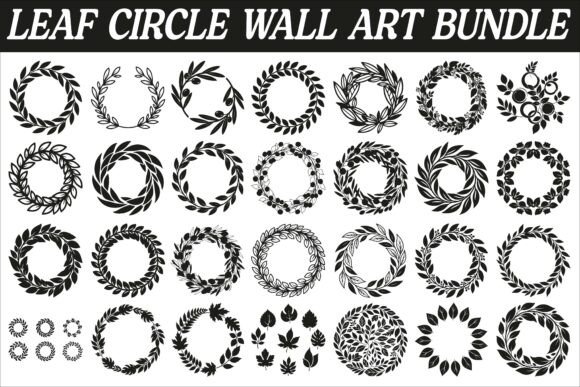
The immediate draw of this design is its restraint. In a market flooded with complex florals and busy patterns, a clean black silhouette offers a stark, sophisticated contrast. The layout centers around a circular motif framed by leaf shapes, creating a balanced, organic feel that leans heavily into boho interiors and modern minimalist aesthetics. It feels calm, grounded, and intentionally curated.
For an embroiderer, the visual personality of this design suggests versatility. It does not scream for attention; instead, it whispers elegance. This makes it an excellent candidate for brands that want to project professionalism without appearing loud or cluttered. The silhouette style is particularly advantageous because it relies on shape rather than intricate internal detailing, which immediately raises questions about how it will stitch out. Will the negative space breathe? Will the circle hold its form? These are the metrics I use to judge any potential commercial asset.
Real-World Application: From Sketch to Stitch
To truly understand the utility of this design, we have to look at it in action. Let’s imagine a real-life scenario: preparing a custom embroidered tote bag for a boutique client who specializes in sustainable goods. The client wants something that looks high-end but requires minimal production time. They choose a heavy cotton canvas tote in natural beige.
I place the Minimal Leaf Circle Wall Art Design in the center of the bag. Because it is a graphic element, it translates beautifully onto the textured fabric. The solid black silhouette creates a striking contrast against the beige background, ensuring legibility even from a distance. For an Etsy seller or small shop product owner, this is a winning combination. The design is recognizable, aesthetically pleasing, and fits seamlessly into a lineup of other home decor items.
But let’s expand the scope. This same design could easily transition to sweatshirt embroidery for a cozy autumn collection, or perhaps as a subtle accent on a baby onesie where delicate, non-overstimulating imagery is preferred. The circular nature of the motif also works exceptionally well as an embroidered patch, allowing it to be ironed or sewn onto denim jackets or caps. The adaptability here is significant. It serves as both a standalone statement piece and a supporting design asset within a larger composition.
Performance Across Different Projects
When evaluating a machine embroidery design, we must consider how it performs across various mediums. Here is how this specific graphic holds up in common scenarios:
- Custom Apparel and T-Shirts: On smooth jersey or cotton blends, the clean lines of the silhouette remain sharp. It avoids the "blobby" look that can plague poorly digitized fills, provided the stitch density is appropriate.
- Kitchen Textiles: For tea towels or aprons, this design adds a touch of rustic charm. The black-on-white or black-on-linen contrast is timeless, making it a safe bet for holiday embroidery gifts or housewarming presents.
- Baby Embroidery: The soft, organic shapes are gentle and appealing. When stitched in muted tones rather than stark black, it becomes perfect for nursery decor or baby blankets, offering a personalized gift option that parents find soothing.
- Branding and Merchandise: For commercial embroidery projects, such as branded tote bags or corporate gifts, the logo-like quality of the circle-and-leaf motif conveys stability and growth. It is professional enough for a corporate setting yet artistic enough for a creative agency.
Where Caution Is Required
No design is without its challenges, and Minimal Leaf Circle Wall Art Design has specific areas where an embroiderer must exercise care. The primary concern lies in scale and fabric choice.
If you attempt to stitch this design in a very small hoop size, the details of the leaf veins (if present) or the edges of the circle may become distorted. On stretchy fabric like thin t-shirt material, without proper stabilization, the circular shape might pucker or warp, losing its geometric integrity. Similarly, on highly textured fabrics like thick boucle wool, the fine edges of the silhouette might get lost in the weave, resulting in a muddy appearance.
Another critical consideration is color contrast. While the design is described as a black silhouette, its impact relies entirely on the background. On dark fabrics, a black design will vanish unless you use a contrasting thread color or apply an applique technique. If you are using this as an applique design, ensure your base fabric contrasts sharply with the top layer. Also, avoid placing dense stitch areas over seams or curved surfaces like the front panel of a cap, where tension can cause distortion.
Practical Notes for the Embroidery Designer
Before incorporating this file into your workflow, I recommend taking the following practical steps to ensure a successful outcome:
- Test on Scrap Fabric: Always run a test stitch-out on the exact type of fabric you plan to use. Check how the stitch density interacts with the material. Does it lay flat? Does it show the backing too much?
- Review Thread Color Contrast: Experiment with different thread colors. While black is classic, try navy on cream, or forest green on white to see how the mood shifts. Use a printable mockup tool to visualize these combinations before committing to thread.
- Check Hoop Size and Stability: Confirm that your hoop size accommodates the full design without cutting off elements. Use the correct stabilizer for your fabric weight—cut-away for knits, tear-away for wovens—to prevent puckering.
- Inspect Small Details: Zoom in on the digital file. Are the curves smooth? Are there any jagged edges that might require manual editing in your embroidery software? Clean vector graphics usually translate well, but always verify.
- Verify Licensing: If you intend to sell finished products featuring this design, carefully review the license terms. Ensure you have the right to use this digital embroidery file for commercial purposes. Do not assume standard personal use licenses cover craft business sales.
Final Verdict: Value and Visual Appeal
In conclusion, Minimal Leaf Circle Wall Art Design is a strong, versatile addition to any designer’s library. Its strength lies in its clarity and adaptability. It enhances the perceived value of a handmade product by adding a polished, intentional look. Customers trust designs that are crisp and well-executed, and this silhouette style delivers exactly that.
It is particularly effective for brand consistency, allowing businesses to maintain a cohesive aesthetic across multiple product types, from tote bag design variations to wedding decor accents. While it requires careful attention to fabric choice and stabilization to avoid distortion, the payoff in terms of buyer engagement and professionalism is high.
For the creative entrepreneur looking to streamline their production while maintaining high quality, this design offers a smart balance of aesthetic appeal and technical feasibility. It is not just a decorative element; it is a functional tool for building a recognizable, trustworthy brand presence in the handmade and retail markets. Just remember to test thoroughly, respect the limitations of your materials, and always prioritize the final finish. When done right, this simple circle and leaf motif can speak volumes.