Scientist Lover Axolotl Sublimation Art Review
As a designer who spends half my life staring at stitch charts and the other half trying to convince clients that embroidery has limits, I approach every new digital asset with a healthy dose of skepticism. The market is flooded with "trendy" graphics that look great on a screen but fall apart when translated into thread. That is why I took Scientist Lover Axolotl Sublimation Art for a spin. I didn’t just look at it; I mentally stitched it onto various fabrics, from heavy cotton canvas to soft baby jersey, to see if this design actually holds up in the real world of handmade commerce.
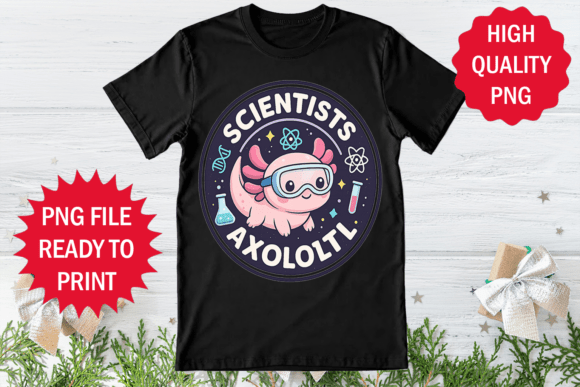
The premise is simple: an axolotl, the internet’s favorite aquatic salamander, reimagined through the lens of scientific curiosity. For those running a craft business or managing an Etsy seller account, combining niche hobbies (science) with popular aesthetics (cute animals) is a proven strategy. But does this specific file deliver? Let’s break down the practical implications of using this T-Shirt Designs graphic for your next embroidery project.
First Impressions: Mood and Visual Personality
When you first load this Graphics file into your digitizing software or preview it on a mockup, the immediate takeaway is its playful yet structured energy. The term "sublimation art" in the title suggests a vibrant, full-color aesthetic, which presents both an opportunity and a challenge for traditional machine embroidery. In the context of a machine embroidery design, we are looking for clarity, distinct shapes, and a layout that doesn't get lost in the fabric weave.
This design creates a mood that is educational but whimsical. It feels like something you would see in a modern science museum gift shop or a trendy boutique. The visual personality is approachable. It isn’t overly complex or aggressive; instead, it invites the viewer in. For a small shop product aimed at students, teachers, or biology enthusiasts, this character-driven approach works well. It bridges the gap between technical interest and cute decor, making it highly suitable for personalized gift scenarios where the recipient wants to show off their quirky side.
Real-World Application: Where This Design Shines
I have spent years testing designs on everything from aprons to caps, and I can tell you that not every graphic translates equally well. Here is where Scientist Lover Axolotl Sublimation Art naturally fits into a product line:
- Custom Apparel and Sweatshirts: This is the most obvious use case. As a sweatshirt embroidery piece, the central placement on a chest or back allows the design to breathe. The colorful nature of the source art means it will pop against neutral backgrounds like heather grey, navy, or black. It transforms a basic garment into a statement piece, perfect for custom apparel orders.
- Baby Embroidery and Nursery Decor: Axolotls are incredibly popular in nursery themes right now. Using this design on a baby onesie, a burp cloth, or a quilt border adds a touch of intellectual charm. It serves as a great conversation starter for parents who appreciate science. When used as baby embroidery, the softness of the surrounding fabric contrasts nicely with the crisp lines of the digitized character.
- Embroidered Patches and Tote Bags: If the design includes a border or enough negative space, it can be digitized as a standalone patch. These patches are versatile—they can be ironed or sewn onto denim jackets, backpacks, or a durable tote bag design. For an Etsy seller, offering matching patches and bags creates a cohesive brand identity.
- Holiday Embroidery and Gifts: This design has year-round appeal, but it shines during back-to-school seasons or as a unique teacher appreciation gift. It fits perfectly into the category of holiday embroidery items that are thoughtful rather than generic. A student receiving a custom hoodie with this motif feels seen and understood.
Technical Considerations and Potential Pitfalls
While the concept is strong, no designer should blindly trust a sublimation graphic without considering the translation process. Here is where you need to be careful.
Stitch Density and Detail Level: Sublimation prints rely on fine gradients and tiny details that disappear in embroidery. If the original digital embroidery file attempts to replicate every pixel of color, you risk creating a dense, stiff patch of thread. You must evaluate the stitch density closely. Areas that are too dense will pucker, especially on lightweight fabrics. Conversely, if the design relies on thin running stitch lines for detail, these may become jagged or break easily. Always check the vector paths before stitching.
Fabric Texture and Stability: This design demands a stable base. On textured fabrics like heavy tweed or loose-weave linen, the intricate details of the axolotl might get lost. You need a high-quality stabilizer to prevent shifting. Furthermore, avoid placing this on stretchy fabrics like thin spandex blends unless you are using a heavy-duty cut-away stabilizer. The weight of the threads could cause the garment to sag over time.
Thread Color Contrast: Since the source is a colorful graphic, you have freedom in thread selection, but contrast is king. If you place a pastel-colored axolotl on a white shirt, it will vanish. You must test thread colors against your actual fabric inventory. A black outline or shadow layer often helps anchor the design, providing definition that pure fill stitches lack.
Specific Use Cases to Approach with Caution
There are certain products where this design might struggle:
- Caps and Hats: Curved surfaces distort flat designs. Unless the design is specifically digitized for a curved hoop with appropriate compensation, the axolotl may look stretched or compressed on a cap front.
- Small Hoop Sizes: Trying to cram this level of detail into a 4x4 inch hoop can result in a loss of character. The eyes and scientific accessories might turn into indistinguishable blobs. Stick to larger hoops to maintain clarity.
- Dense Stitch Areas: Avoid placing this design over existing pockets or seams. The added bulk can make the garment uncomfortable to wear, particularly for children's clothing.
Designer’s Checklist for Success
Before you start producing these items for your commercial embroidery business, run through this mental checklist:
- Test on Scrap Fabric: Never commit to a final product without a test run. Check how the fill stitch lays out and if the satin stitch edges are clean.
- Review Stitch Density: Ensure the design isn’t too heavy. Lighter density is generally better for wearable items to maintain drape and comfort.
- Check Licensing: As a design assets user, you must confirm whether you have commercial rights to sell finished goods made from this file. Many sublimation graphics are for personal use only. Violating these terms can shut down a small business quickly.
- Mockup in Black and White: Convert the design to grayscale to check for contrast issues. If it looks muddy in black and white, it will likely look muddy in thread.
- Inspect Small Details: Zoom in on the scientific elements. Are they legible? Do they require excessive trimming that might damage the fabric?
Final Verdict
Scientist Lover Axolotl Sublimation Art is a solid choice for designers looking to tap into the intersection of science and cute culture. It offers a fresh take on a popular animal, giving creative entrepreneurs a unique selling proposition. When executed correctly—with proper digitization, appropriate fabric choices, and attention to stitch density—it can elevate a simple handmade product into a professional, desirable item.
It is not a magic bullet that requires zero effort, but for those willing to do the due diligence, it provides a high-value visual asset. Whether you are creating a single personalized gift for a friend or stocking shelves with small shop product lines, this design has the potential to resonate with buyers who love both biology and bad puns. Just remember: the screen is not the final product. Trust your needle, test your samples, and let the quality of your work speak for itself.