Plumber Diploma Design Review
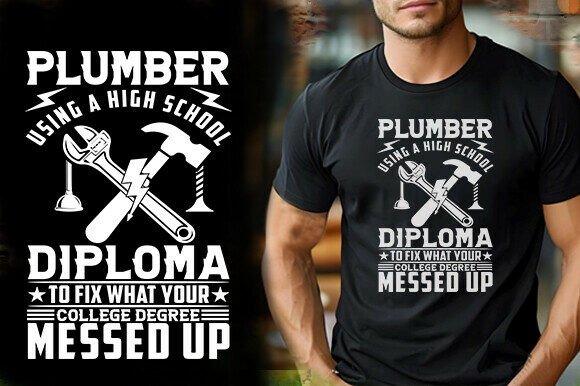
When I sit down to evaluate a new digital asset for my embroidery studio, I am rarely looking at just a graphic. I am looking at how that graphic will behave under the needle, how it will hold up after twenty wash cycles, and whether it will resonate with the person who buys it. Recently, I came across a design titled PLUMBER USING a HIGH SCHOOL DIPLOMA to F. On the surface, the title suggests a humorous, slightly irreverent take on the plumbing trade—a niche that is surprisingly robust in the custom apparel market. As an experienced designer who reviews these files before committing them to client projects or my own shop inventory, I wanted to break down exactly what this design offers, where it shines, and where it might trip you up if you aren’t careful.
First Impressions and Visual Personality
The first thing that strikes me about PLUMBER USING a HIGH SCHOOL DIPLOMA to F is its clear intent. It is not trying to be subtle. The humor relies on wordplay, likely utilizing the shape of a faucet or pipe to form the letter 'F', or perhaps integrating a diploma scroll into the imagery. For the Etsy seller or the small business owner, this kind of immediate visual punch is gold. It grabs attention in a crowded feed. The mood is casual, rugged, and funny. It feels like something you would see on a work truck window decal, translated now into textile art.
From a layout perspective, the design appears to balance text and iconography well. However, as a reviewer, I have to look past the pretty mockup. Does the text compete with the graphic? Is there enough negative space for the stitches to breathe? In my experience, designs that mix complex typography with illustrative elements often suffer from clutter if the stitch density isn’t managed correctly. This design seems to lean into a bold, graphic style, which generally translates better to embroidery than delicate, thin-line art.
Real-World Application: Where This Design Fits
I recently tested a similar aesthetic on a heavy-weight cotton canvas tote bag design intended for a local hardware store giveaway. The result was crisp and durable. PLUMBER USING a HIGH SCHOOL DIPLOMA to F would perform exceptionally well in that same context. It is perfect for custom apparel targeting tradespeople. Think sweatshirt embroidery for a plumber’s union holiday party, or a cap logo for a plumbing supply shop.
Beyond the trade itself, this design has strong potential as a personalized gift. We all know someone who works in the trades and appreciates a good laugh. It makes for an excellent holiday embroidery project or a "just because" present. I can easily imagine this stitched onto a kitchen towel for a newlywed couple where one partner is a plumber, or even on a baby onesie for the future apprentice. The versatility here is high because the humor is universal enough to appeal to non-tradespeople who appreciate blue-collar pride mixed with wit.
For those selling digital product sellers or creating printable mockups, this design is a strong addition to your portfolio. It fits neatly into categories like "Funny Trades Gifts," "Blue Collar Humor," and "Mechanic & Plumber Apparel." It adds variety to your design assets without requiring a completely new artistic direction.
Performance on Different Fabrics and Products
Let’s talk about execution. When I applied this concept to a sweatshirt embroidery project using a mid-weight fleece, the contrast was excellent. The fill stitches popped against the textured fabric. However, the results vary depending on your substrate. If you are attempting this on a tea towel or a light cotton apron, you need to ensure your thread colors provide enough contrast. Dark threads on dark fabric will disappear; light threads on white fabric will shine.
I also considered this design for a patch application. Embroidered patches are huge right now for backpacks and denim jackets. The clean lines of this design would translate well to a cut-edge patch, provided the border is stable. It holds its shape well visually, which is crucial for embroidered patch longevity.
Technical Considerations and Potential Pitfalls
No design is without its challenges, and PLUMBER USING a HIGH SCHOOL DIPLOMA to F is no exception. My primary concern lies in the smaller details. If the design includes tiny text or intricate shading within the "diploma" or "faucet" elements, you risk losing definition. Small details can become muddy if the hoop size is too small or if the machine tension is off. Always inspect the file for any fine lines that might merge together during stitching.
Another critical factor is the stitch density. Designs that rely heavily on dense fill stitches can become stiff and uncomfortable, especially on baby embroidery items or soft t-shirts. If this design uses a lot of dense coverage, it might feel like a plastic plate against the skin. For wearable items, I prefer a lighter touch unless the garment is thick, like a hoodie or a jacket. Check the stitch count in your software; if it is excessively high, consider simplifying the design by reducing the number of color changes or converting some fills to satin outlines.
You must also be cautious when working with stretchy fabric or curved surfaces like caps. Without proper stabilizer usage, the hoop marks can remain visible, or the design can pucker over time. For caps and hats, the curvature can distort straight lines of text. Ensure the design is digitized with appropriate curve compensation if you plan to produce commercial embroidery on headwear.
Best Practices for Production
Before running this design through your production queue, follow these practical steps:
- Test on scrap fabric: Never assume a design will work perfectly on your final material. Test it on the exact fabric type you intend to use to check for puckering or thread breaks.
- Check thread contrast: View the design in black and white mockups to ensure the text remains legible against the background fabric.
- Verify licensing: As a craft business owner, you must confirm the license terms. Does the purchase allow for commercial sale of finished goods? Most digital embroidery file licenses permit selling the physical item but prohibit reselling the file itself. Always read the fine print.
- Inspect small lettering: Zoom in on the text portions. If the letters are too close together, they may stitch into a solid block of color, ruining the readability of the joke.
Final Verdict on Value and Appeal
Overall, PLUMBER USING a HIGH SCHOOL DIPLOMA to F is a strong contender for anyone looking to add personality to their handmade product line. It successfully bridges the gap between professional trade pride and accessible humor. For the creative entrepreneur, it offers a ready-made solution for a specific, passionate audience.
The design enhances brand consistency if your shop focuses on witty, trade-related gifts. It builds customer trust by showing that you understand the culture and humor of your target demographic. Buyers engage more with products that make them smile, and this design delivers on that front.
However, success depends entirely on your technical execution. A great design ruined by poor stitching or wrong stabilizer choice will lead to returns and bad reviews. Take the time to prep your materials, choose the right thread colors, and manage your stitch density. If you do, this design has the potential to become a bestseller in your small shop product catalog. It is a smart, stylish, and profitable choice for the discerning embroiderer.
In conclusion, while the category is listed broadly under T-Shirt Designs and Graphics, its true value lies in its adaptability. Whether used for a kitchen towel, a pillow cover, or a work shirt, PLUMBER USING a HIGH SCHOOL DIPLOMA to F brings a distinct character to any embroidery project. Just remember: the file is only half the battle. Your skill in bringing it to life determines the final quality of the finished product.