Juneteenth is My Independence Day Shirt
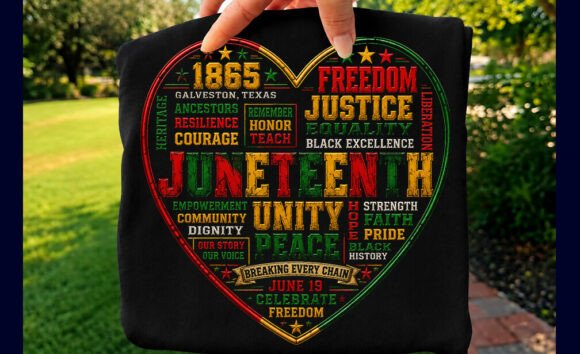
As a designer who spends more time than I care to admit staring at stitch charts and fabric swatches, I approach every new T-Shirt Designs graphic with a healthy dose of skepticism. We are all flooded with digital assets daily, but few actually translate well from a screen to the hoop. Today, I am evaluating the "Juneteenth is My Independence Day" graphic to see if it holds up as a viable machine embroidery design for real-world application. This isn't just about whether it looks good in a JPEG; it is about how it behaves under the needle.
First Impressions: Mood and Visual Personality
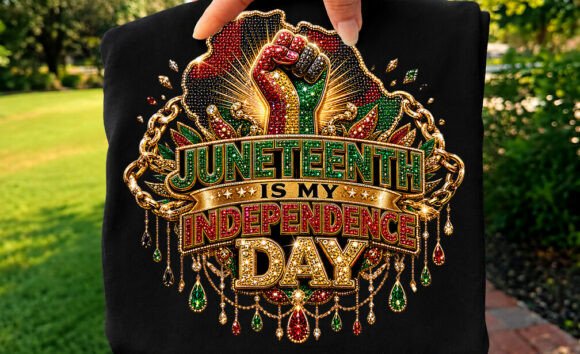
The immediate takeaway from this Graphics asset is its boldness. The phrase "Juneteenth Is My Independence Day" carries significant weight, and the design reflects that through a strong, declarative layout. When you first load the file, the visual personality feels celebratory yet grounded. It does not rely on overly intricate flourishes that might get lost in stitching; instead, it leans into clear typography and strong contrast.
For an Etsy seller or small shop product creator, this clarity is gold. In the world of handmade products, readability is key. If a customer cannot read the message from three feet away, the emotional impact diminishes. This design captures attention immediately. It feels like a piece meant to be worn with pride, suitable for everything from a casual summer gathering to a formal community celebration. The mood is confident, which translates directly to the perceived value of the finished item.
Real-World Application: Where Does This Design Belong?
I put myself in the shoes of a crafter preparing a batch of items for a craft fair. How would this embroidery project perform across different mediums? Let us look at some practical scenarios.
- Custom Apparel and Sweatshirts: This is perhaps the most natural home for this design. On a heavyweight cotton sweatshirt, the text will sit beautifully, offering a tactile experience that prints simply cannot match. The contrast between the thread and the fabric becomes part of the art. For sweatshirt embroidery, this design offers enough presence to stand out without overwhelming the garment’s silhouette.
- Tote Bags and Aprons: I envision this working exceptionally well on canvas tote bags. A sturdy fabric provides the perfect stabilizer for the stitches, allowing the design to lay flat and crisp. Similarly, on kitchen aprons, it adds a personal touch to functional items. These are popular handmade product categories, and having a design with such strong cultural resonance can drive engagement.
- Baby Embroidery and Nursery Decor: While the message is powerful, one must consider scale. When scaled down for baby onesies or burp cloths, the lettering needs to remain legible. If the font size is too small, the detail may blur. However, for larger nursery items like pillow covers or wall hangings, this design could serve as a meaningful personalized gift for families celebrating their heritage.
- Holiday Embroidery and Gifts: June 19th is a specific date, making this highly seasonal. For holiday gifts, timing is everything. This design shines when used for Juneteenth celebrations, but its thematic strength makes it a valuable asset for anyone looking to expand their catalog beyond standard holidays.
Technical Performance and Stitch Clarity
Transitioning from concept to execution requires careful consideration of technical elements. As a reviewer, I have to ask: how does this embroidery file handle density and detail?
The design appears to prioritize legibility over complex texture. This is a smart choice for commercial viability. High-density fills can cause puckering on lightweight fabrics, while excessive running stitches can fray. If this design utilizes a mix of satin stitch for outlines and fill stitch for background elements, it should offer a professional finish. The key here is stitch density. If the designer has optimized the code properly, the threads will lie smooth against the fabric, creating a polished look that enhances customer trust in your craftsmanship.
When considering thread colors, the versatility of this design allows for various palettes. You could go traditional with reds, blacks, and greens, or opt for a monochromatic scheme for a more subtle, modern aesthetic. Testing these combinations in black-and-white mockups is crucial to ensure contrast remains high regardless of color choice.
Where Caution Is Required
Not every surface is created equal. There are specific situations where this design might struggle:
- Small Hoop Sizes: If you attempt to digitize or use this on very small items like hat patches or tiny accessories, the text may become cramped. Always check the minimum hoop size required to maintain readability.
- Textured and Stretchy Fabrics: Embroidering on thick fleece or highly stretchy jersey can distort the shape of the letters. Without proper stabilizer support, the design may shift or pucker during stitching.
- Curved Surfaces: Applying this to caps or curved seams requires advanced hooping techniques. The flat nature of the design might not conform well to tight curves without distortion.
- Dense Stitch Areas: If the design includes large blocks of solid color, ensure your machine can handle the needle penetration rate. Overly dense areas can lead to thread breaks or stiff fabric hand-feel.
Strategic Advice for Sellers and Makers
For those of you building a craft business or managing an online store, using this design strategically can boost your brand consistency. Here is my practical advice before you start stitching:
- Test on Scrap Fabric: Never cut into your final material without a test run. Use scraps of the same fabric type to check tension, thread balance, and overall appearance.
- Verify Licensing: Before listing any commercial embroidery items, double-check the license terms provided by the original creator. Ensure you have the right to sell finished goods made from this digital embroidery file.
- Create Printable Mockups: Use the provided PNG (4500×5400 – 300 DPI) to create realistic previews for your listings. Show the design on different colored garments to help customers visualize the final finished product.
- Inspect Small Details: Zoom in on the digital file. Are there any tiny decorative accents that might get lost in stitching? If so, consider simplifying the design for smaller applications.
- Choose the Right Stabilizer: The success of any embroidery project often lies in what goes behind the fabric. Use tear-away or cut-away stabilizers appropriate for your fabric weight to prevent shifting.
Final Verdict
The "Juneteenth is My Independence Day" graphic is a strong, emotionally resonant asset for any designer or seller. It balances visual impact with practical stitchability, making it suitable for a wide range of apparel decorators and creative entrepreneurs. Whether you are creating a limited-edition collection for a boutique or adding a meaningful option to your Etsy shop, this design offers a professional foundation.
It respects the significance of the occasion while providing a clean canvas for your creative interpretation. By paying attention to fabric choice, stabilization, and testing, you can transform this digital asset into a cherished keepsake. For small business owners looking to diversify their offerings with culturally significant items, this is a worthwhile addition to your design assets library.