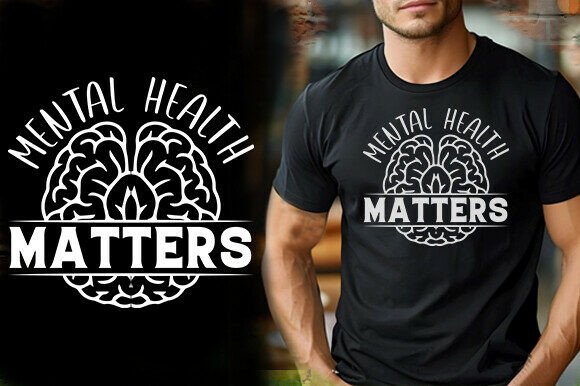
I’m Spicy Nice Funny Mental Health Aware
When I sit down to review a new digital asset for my embroidery studio, I am rarely looking at just a pretty picture. I am looking at stitchability, durability, and market viability. As a designer who spends hours converting T-Shirt Designs into viable Graphics for physical products, I know that the difference between a bestseller and a return is often in the details. Today, I am putting I’m Spicy Nice Funny Mental Health Aware under the microscope. This isn’t just about whether it looks good on a screen; it is about how it behaves when pushed through an embroidery machine needle.
The First Impression: Mood and Visual Personality
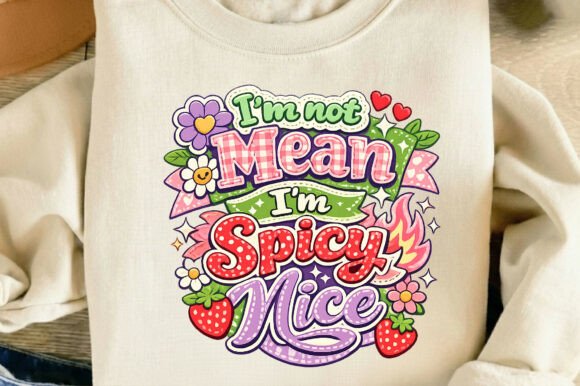
The moment you load this design file, the personality jumps out. The phrase "I’m Not Mean I’m Spicy" carries a specific energy—playful, slightly sarcastic, but ultimately warm. When paired with the mental health awareness component, it shifts from simple humor to a statement of identity. For an embroidery project, this duality is powerful. It allows the maker to create something that feels personal yet relatable.
Visually, the layout suggests a balance between bold typography and supportive messaging. In the world of machine embroidery design, text-heavy designs can be risky if the kerning (spacing between letters) is too tight or the font weight is inconsistent. However, this design seems optimized for clarity. The mood is confident without being aggressive. It fits perfectly into the current trend of apparel that blends humor with genuine emotional support. For an Etsy seller or small shop product owner, this means your finished item won’t just be a garment; it will be a conversation starter.
Real-World Application: From Screen to Stitch
Let’s talk about where this design actually lives. I recently considered using I’m Spicy Nice Funny Mental Health Aware for a custom order involving a heavyweight cotton sweatshirt for a client who works in healthcare. Healthcare workers are a prime demographic for mental health advocacy, and they appreciate a bit of levity. Here is how the design translates to real-life scenarios:
- Sweatshirt Embroidery: The thick fabric provides a stable base for dense stitching. The design likely holds its shape well here, offering a premium feel that customers associate with high-quality custom apparel.
- Tote Bag Design: Canvas totes are a staple for craft fairs. Placing this design on a sturdy tote bag makes it a functional accessory. The contrast between the thread and the canvas texture enhances the visual appeal, making it a great handmade product for daily use.
- Baby Embroidery: While the tone is adult-oriented, the "mental health awareness" aspect resonates with parents. Imagine this on a baby onesie or a nursery pillow cover. It serves as a gentle reminder for caregivers to prioritize their well-being. It adds a layer of thoughtfulness to a personalized gift.
- Embroidered Patch: Converting this into a detachable patch allows for versatility. A customer could attach it to a denim jacket or a backpack. This expands the utility of the design assets and increases perceived value.
In each of these cases, the design acts as a focal point. It doesn’t need excessive embellishment because the message itself is strong. This simplicity is a virtue in commercial embroidery, as it reduces production time while maintaining impact.
Technical Considerations and Potential Pitfalls
No design is perfect for every surface. As an experienced reviewer, I must highlight where I’m Spicy Nice Funny Mental Health Aware requires careful handling. Embroidery is unforgiving of poor preparation, and certain materials will fight against even the best digitizing.
First, consider the hoop size. If you attempt to stitch this on a very small area, such as the cuff of a sleeve or a tiny pocket, the text may become illegible. Always check the dimensions of the embroidery file before committing to the hoop. If the design includes fine details or tiny lettering, ensure your machine’s resolution can handle it without piling up thread.
Fabric choice is equally critical. Avoid using this design on highly textured fabrics like bouclé or loose-weave linen unless you use a heavy-duty stabilizer. The uneven surface can cause puckering or misalignment of the satin stitch borders. Similarly, stretchy knits require a tear-away or cut-away stabilizer to prevent distortion during stitching. If you are working on dark fabric, pay close attention to thread colors. A light-colored design on black fabric might get lost if the lighting in your photos isn’t bright enough, reducing the visual appeal for online buyers.
Another area of caution is curved surfaces like caps. While possible, embroidering flat text on a curved brim can lead to stretching. You may need to adjust the digitizing to account for the curve, or simply place the design on the front panel where the curvature is minimal. For embroidered patches intended for frequent washing, ensure the backing is secure to prevent fraying over time.
Stitch Density and Thread Contrast
The success of this design hinges on the balance between fill stitch areas and running stitch details. High stitch density gives a luxurious look but can make the fabric stiff. For a soft-touch finished product, you want enough density to cover the fabric completely without creating a hard lump. Test your thread colors on scrap fabric first. Sometimes, what looks vibrant on a monitor appears muddy in thread form due to the sheen of polyester or rayon threads.
Impact on Brand and Customer Trust
Using a well-executed design like I’m Spicy Nice Funny Mental Health Aware directly influences how customers perceive your brand. When a buyer receives a personalized gift or a craft business item, they are judging the quality of your workmanship. Clean stitches, proper alignment, and appropriate thread choices signal professionalism. It builds trust that leads to repeat purchases and positive reviews.
Furthermore, the mental health theme adds emotional resonance. Customers are increasingly drawn to brands that stand for something beyond profit. By offering this design, you are aligning your shop with empathy and awareness. This can enhance buyer engagement and make your printable mockups more compelling. People share content that reflects their values, so a well-stitched version of this design has the potential to generate organic social media buzz.
Practical Designer Notes for Success
Before you rush to produce a batch of small shop products, follow these practical steps to ensure the best outcome:
- Test on Scrap Fabric: Never run a full production job without a test stitch. Check for tension issues, thread breaks, or color mismatches.
- Review Stitch Density: Look at the digitizing closely. Are there any overly dense areas that might cause needle breakage? Adjust if necessary.
- Confirm Hoop Size: Ensure your hoop is large enough to accommodate the entire design without trimming.
- Inspect Small Details: Zoom in on the text. Is every letter clear? Can the smallest elements be stitched cleanly?
- Black and White Mockups: Convert your design to grayscale to check contrast. If it doesn’t read well in black and white, it won’t read well in color.
- Check Licensing: This is crucial. Before selling digital embroidery files or finished items, verify the commercial use rights. Some design assets allow personal use only, while others permit limited commercial sales.
- Use Proper Stabilizer: Match the stabilizer to the fabric type. Too little stability causes puckering; too much leaves residue.
By following these guidelines, you transform a simple embroidery file into a professional-grade product. I’m Spicy Nice Funny Mental Health Aware is more than just text; it is a versatile tool for creators who want to blend humor, style, and substance. Whether you are updating your Etsy listings or preparing for a holiday craft fair, this design offers a reliable foundation for success. Just remember: the magic happens in the stitching, not just the file.