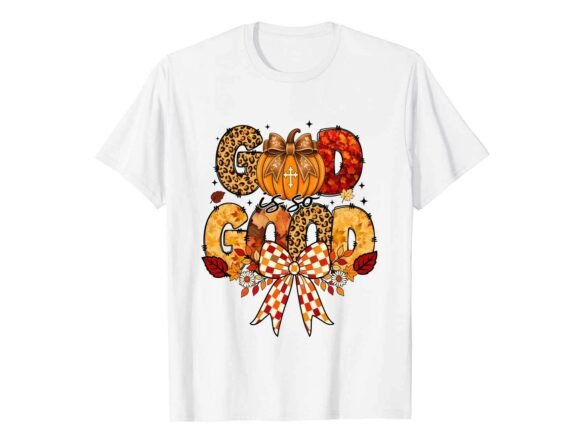
God Is So Good Autumn Embroidery Review
As an embroidery designer who has spent years testing digital files on everything from heavy cotton tees to delicate baby muslin, I have learned that the difference between a "cute" design and a professional-grade product often comes down to execution. Today, I am putting the God is so Good Autumn Fall T-Shirt design through its paces. This isn’t just about looking at a preview image; it is about understanding how this specific combination of faith-based messaging and seasonal aesthetics will hold up in real-world stitching scenarios.
The design features pumpkins, fall leaves, leopard print accents, a stylish bow, and warm seasonal colors. On paper, it sounds like a chaotic mix of trends. However, when translated into a machine embroidery design, these elements can create a cohesive, trendy piece if handled with care. Below is my practical breakdown of how this design performs for small business owners, crafters, and hobbyists.
First Impressions: Mood and Visual Personality
The immediate mood of the God is so Good Autumn Fall T-Shirt graphic is cozy yet spirited. It bridges the gap between traditional harvest themes and modern fashion trends by incorporating leopard print—a staple in contemporary apparel. For an Etsy seller or small shop product creator, this duality is valuable. It appeals to customers who want something festive but not overly childish.
Visually, the layout relies heavily on the contrast between organic shapes (leaves, pumpkins) and patterned textures (leopard print). The inclusion of a stylish bow adds a focal point that draws the eye upward, which is excellent for chest-area placements on custom apparel. The warm seasonal colors suggest a palette that works beautifully with autumn fabrics, creating a harmonious finished product that feels intentional rather than random.
Real-World Application: Where This Design Shines
In my experience, certain designs scream for specific applications. This particular embroidery project excels in areas where texture and color depth are celebrated. Here is where I would confidently deploy this file:
- Sweatshirt Embroidery: The warmth of the theme pairs perfectly with fleece or French terry. The boldness of the leopard print stands out against neutral tones like cream, camel, or heather gray, making it a standout piece for holiday embroidery collections.
- Tote Bag Design: Canvas totes are a staple for craft fairs. The durability of canvas handles the stitch density well, and the religious message combined with fall vibes makes it a popular gift item for church groups or community events.
- Baby Embroidery: Despite the bold leopard print, the soft curves of the leaves and the gentle message make this suitable for baby onesies or burp cloths. When stitched in softer thread colors, it becomes a tender personalized gift.
- Embroidered Patch: If you sell accessories, converting this into a patch for denim jackets or backpacks is a smart move. The distinct border created by the design elements allows for clean trimming and application.
For digital product sellers, this design also serves as a strong base for printable mockups. The clear separation of elements allows designers to easily visualize how the art looks on different garments before committing to physical production.
Technical Considerations and Stitching Challenges
While the aesthetic appeal is high, every designer knows that visual beauty must be matched by technical feasibility. The God is so Good Autumn Fall T-Shirt contains mixed element types, which requires strategic planning during digitizing or editing.
The leopard print accent is likely achieved through a combination of satin stitch outlines and internal fill patterns or specialized texture stitches. If the stitch density is too high, the fabric may pucker, especially on lightweight materials. Conversely, if the density is too low, the pattern may lose its definition. It is crucial to inspect the digitization closely to ensure the leopard spots do not blend together into a muddy mess.
Additionally, the text "God is so Good" needs careful scrutiny. Small lettering in embroidery is unforgiving. If the font is condensed or the spacing is tight, the letters may merge during stitching, ruining legibility. I always recommend checking the kerning and ensuring there is enough negative space around the letters to maintain clarity.
Fabric and Stabilizer Compatibility
This design is versatile but demands the right support system. On stretchy fabrics like jersey knits used for t-shirts, a cut-away stabilizer is non-negotiable to prevent distortion over time. For woven fabrics like those used in aprons or pillow covers, a tear-away may suffice for lighter sections, but the denser areas still benefit from superior backing.
When working with dark fabric, the choice of thread colors becomes critical. The warm seasonal colors need to pop against the background. If the design relies on subtle shading, it may get lost on black or navy material. In such cases, using a contrasting underlay or brighter top threads can enhance visibility.
Where to Use With Caution
Not every surface is a good match for this design. I advise exercising caution in the following scenarios:
- Small Hoop Sizes: If the design exceeds the dimensions of your machine’s smallest hoop, you risk losing detail or requiring complex multi-hooping, which increases alignment errors.
- Textured Fabrics: Bouclé, heavy tweed, or highly textured weaves can obscure fine details like the tips of leaves or the edges of the bow. Stick to smooth surfaces for the best result.
- Curved Surfaces: While caps are popular, applying a large, detailed graphic like this to a curved brim or front panel can be challenging. The flat nature of the design may not follow the curve naturally, leading to gaps or tension issues.
- Thin Fabric: Delicate silks or thin linens may show the back-side stabilizer residue or suffer from needle holes if the design is dense.
Final Verdict for Craft Business Owners
The God is so Good Autumn Fall T-Shirt is a strong contender for anyone looking to expand their autumn lineup. It successfully merges faith-based sentiment with trending fashion motifs, giving it broad market appeal. For the craft business owner, it offers multiple revenue streams—from clothing to home decor.
However, success lies in the details. Before mass-producing, test the design on scrap fabric. Check the hoop size compatibility, verify the stitch density, and ensure the thread colors provide sufficient contrast. If you treat this file with the same respect you would any premium commercial embroidery asset, it will serve your brand well and delight your customers.
Remember to always confirm licensing terms if you plan to sell finished items. While the design itself is visually striking, your commercial rights determine whether you can profit from it. With proper preparation, this graphics file can become a bestseller in your handmade product catalog this season.